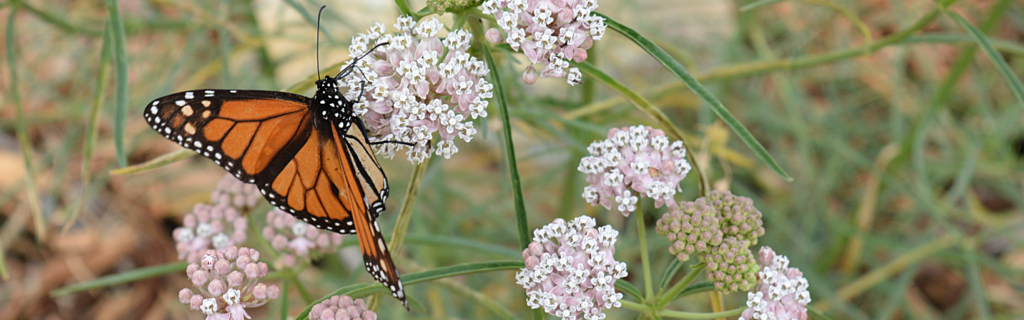
Restoring Habitat. Inspiring Community.
Paradise Hills Native Garden, 6800 Potomac Street, San Diego, CA, 92139
In 2017 a group of Southeastern San Diego community members began advocating for improving the covered landfill at Paradise Hills Community Park with a native plant demonstration garden. The proposal was met with interest by the City of San Diego, but no funds would be available.
So we founded Paradise Gardeners, a California Garden Clubs, Inc. member club, to apply for grants and obtain funding to make it happen.
On September first of 2020 we began the physical aspects of the project with the planting of eight native Engelmann Oaks in the parking area. After the addition of walking paths and the installation of boulders, the first larger scale planting happened in March of 2021. Installation phases are largely completed, but work is ongoing, aided by community volunteers and allied groups, including the UC Master Gardener Association of San Diego County. The installation phases have been fully funded through grants received. Among many in-kind donations (materials and services) to the project, the City has provided gravel and decomposed granite for improving and adding walking paths.
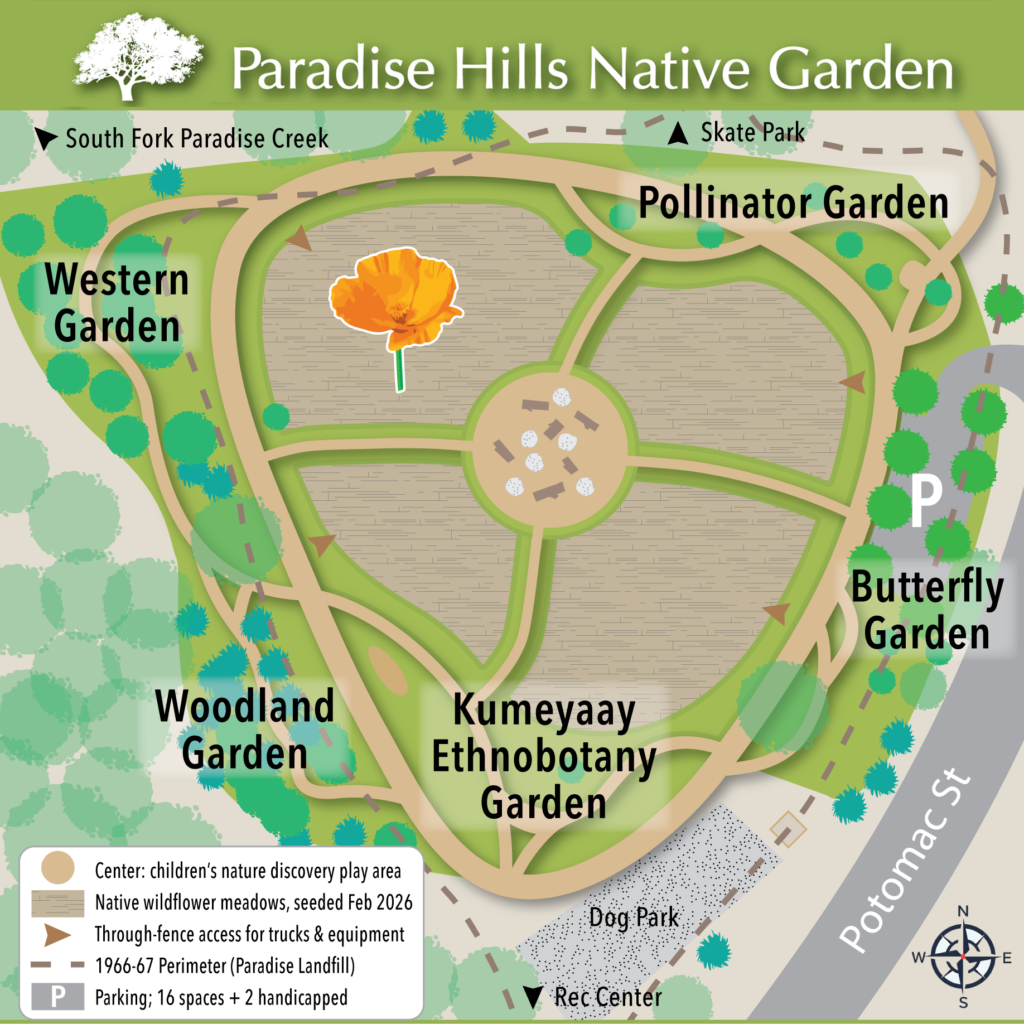
Paradise Hills Native Garden, adjacent to the skate park at Paradise Hills Community Park and the open space preserve along the south fork of Paradise Creek, encircles the roughly five acre, covered 1960s era Paradise Landfill, with all-xeric, all California native plants in variously themed habitat gardens both within and extending beyond the old landfill perimeter. No landfill gas (LFG) emissions have been detected for many years, and the surface has long been stable and subsidence free. The site returns to habitat for native flora and fauna.
Paradise Hills Native Garden is the largest of the UC Master Gardener Association of San Diego County’s four Demonstration Gardens. The Master Gardener Program in California is an outreach and public education service of University of California Agriculture and Natural Resources (UCANR).
Interpretive signage has been installed and continues to be added. An extensive post-and-rope fence adds definition to the sprawling and ever-evolving gardens. We welcome volunteers for weeding, mulching, planting, and general maintenance – please contact us if you’re interested in this project. Your membership and donations are also vital to the garden’s success!

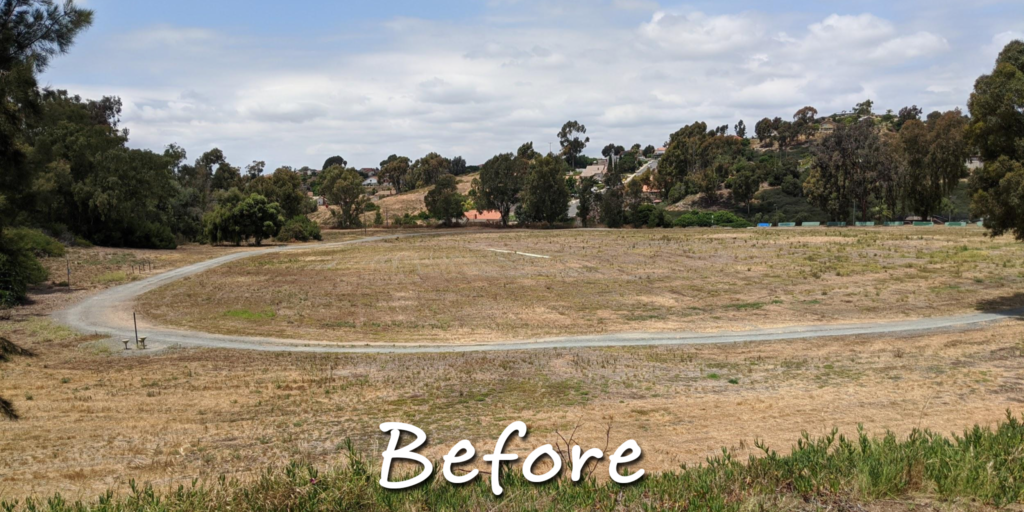
Creating a Nature-Partnering Demonstration Garden
Environmental concerns prohibit installation of irrigation systems, so native plants are selected to need only modest hand watering to become established. Once established, these plants require little to no supplemental watering.
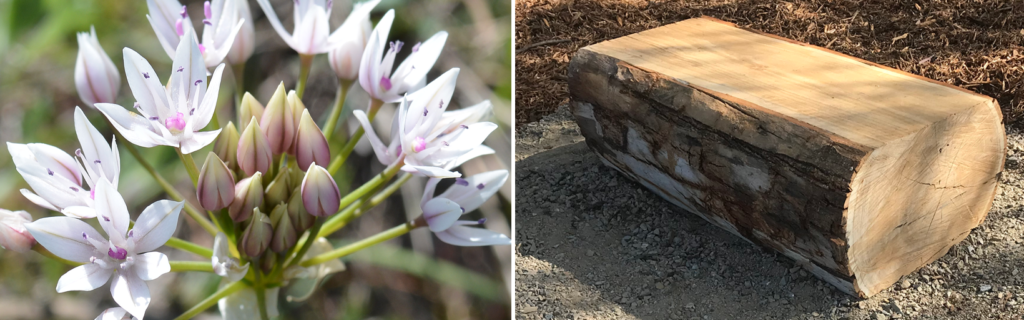
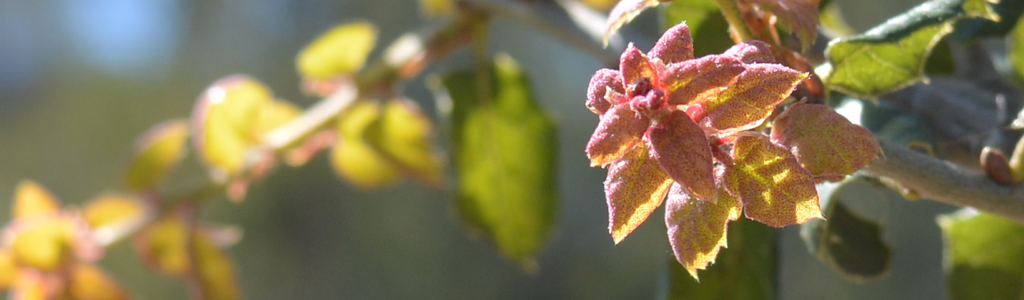
Many plants are particularly interesting in spring. | Benches, including rustic log benches, are added.
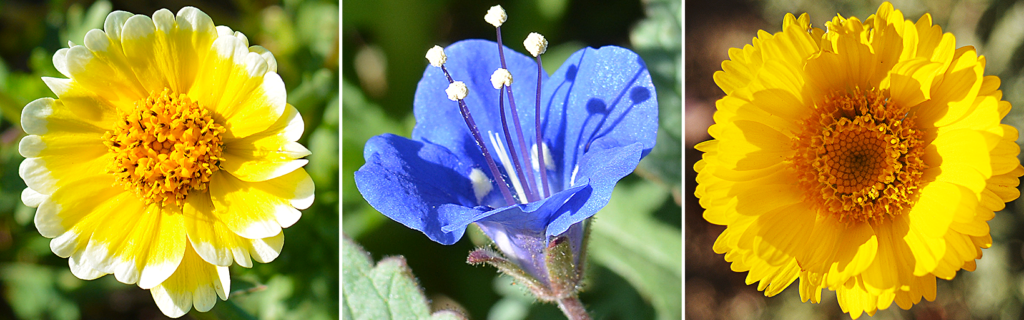
The demonstration garden is now composed of six associated gardens— a Pollinator Garden, a Western Native Garden that includes a small stand of oak, ash, cypress, and redshanks (trees planted west of the landfill perimeter), a Woodland Garden (native cherry, cypress and oak trees south of the landfill perimeter), an Ethnobotany Garden, and completing the loop, a Butterfly Garden. California wildflower meadows were first seeded in the expansive center area in February 2026, adding a sixth garden. In Spring’s to come, these meadows will be large splashes of color. The Ethnobotany Garden provides information about the indigenous Kumeyaay nation that has historically lived in, and traveled about, our area. The plantings in this area highlight the many ways the Kumeyaay used the plants for materials, tools, fuels, food and medicine.